

Well-designed templates solve today’s problem.
Custom platforms solve tomorrow’s problems
OTR builds custom digital platforms for organizations that have outgrown templates and short-term fixes. Our work is designed to scale, integrate, and adapt as business requirements evolve.
A platform is not defined by how it looks. It is defined by how it is structured.
What Templates Do Well
In the right context, they are efficient and appropriate.
Templates can be a practical fit when:
- The business model is simple
- Content needs are limited
- Change is infrequent
- The website functions primarily as a brochure
Where Templates Begin to Strain
As complexity increases, friction appears.
Common pressure points:
- Multiple services, divisions, or locations
- Integration needs (CRM, booking, quoting, data, portals)
- Performance expectations beyond basic caching
- Security and reputation risk
- Repeated rebuild cycles caused by structural limitations
what a custom platform changes
A custom platform aligns with how your organization operates.
Instead of adapting your workflows to a theme, the platform adapts to your:
Services and divisions
Growth Trajectory
System Integration
Future Expansion
Operational Realities
This reduces rebuild risk and creates continuity across years rather than redesign cycles.
Have a project in mind? Let’s talk about your goals and how we can help.
Start a ConversationBeyond building websites and platforms, we provide the essential services that help businesses stand out, perform better online, and stay secure.


Architectural Control & Custom HTML Foundations
When operational clarity and long-term stability matter, architecture matters.
OTR often builds platforms on structured custom HTML foundations when architectural control and long-term stability warrant it. This approach provides greater control over performance, structure, and long-term maintainability.
Why this matters:
- Reduced dependency on large plugin ecosystems
- Cleaner structural control and predictable behavior
- Improved performance stability under growth
- Greater authority over layout, hierarchy, and semantic clarity
- Lower long-term rebuild risk
Custom foundations allow websites to be built around your organization’s real requirements rather than template constraints.
Whether that means custom architecture or a CMS, the goal is the same: choosing the foundation that best supports performance, flexibility, and growth.
Platform Scope & Responsibility
OTR platforms support:
- Marketing clarity
- Operational visibility
- Structured integrations
- Performance and reliability engineering
OTR focuses on the point where marketing, digital experience, and business operations intersect. When a project requires dedicated enterprise software or SaaS product engineering beyond that scope, discovery helps us identify that early and recommend the appropriate approach.
Discovery always determines fit before the build begins.

Why This Approach Endures
Digital platforms are long-term assets. Poor architectural decisions are often invisible at launch but become costly over time. By prioritizing structure before design, and architecture before add-ons.
OTR reduces:
- Technical fragility
- Performance degradation
- Plugin dependency creep
- Unnecessary rebuild cycles
A well-built digital platform should become more valuable as the business grows—not obsolete every three years.
That forward-looking structure also makes it easier to adapt as discovery changes—from traditional search and voice to today’s generative AI systems and whatever comes next.
Longevity is rarely visible on launch day. It becomes visible years later.
evaluating a new platform or considering changes to your existing one?
Start a Conversation
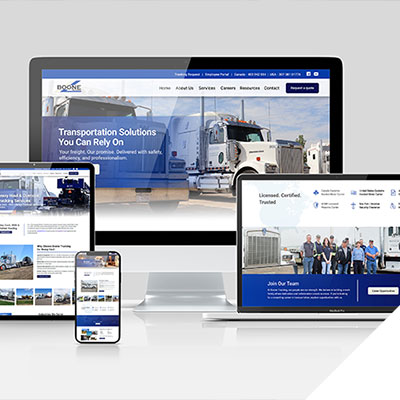
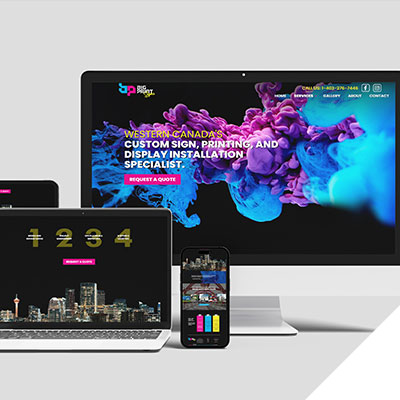
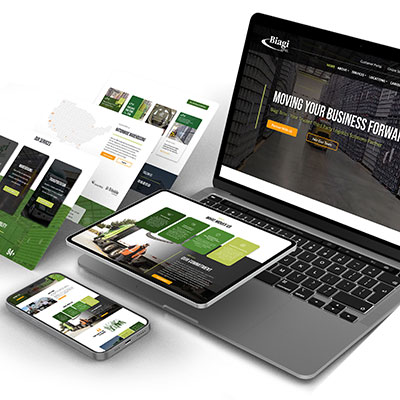
Explore real examples of how we’ve helped clients turn their websites into powerful tools for growth.